


Hospitality
Hospitality Conversion Gamification
The Octalysis Group created a new industry standard for hospitality and travel booking platforms.
33.4%Increase in gross bookings
People regularly ask us to make their product like Duolingo or like Pokémon Go, because those are successful. That doesn’t work. Almost every game ever made has points, levels and rewards, and most games are played by almost nobody and are financial failures. The mechanics were never what made the successful ones successful.
Every experience we design at The Octalysis Group is based on three things. The first is the business metrics we identify together with the client. The second is the Desired Actions people need to take for those metrics to improve. The third is the dominant player types among the users, because not everybody is motivated in the same way. Around those actions we design an experience that is truly engaging and joyful. We use the eight Core Drives of the Octalysis Framework and the four Experience Phases of a user’s journey: Discovery, Onboarding, Scaffolding and Endgame.
The gamification examples below are 13 of our own client projects, grouped by the problem the client brought to us, followed by five famous products and our view of their design. Find the problem closest to yours:
Loyalty programs almost all compete on the same things: points, status, discounts and offers. All of that is extrinsic motivation. In practice the program bribes people to come back and take the desired action, and bribed members are loyal to whoever pays the most this week. We call these mercenary programs, because loyalty goes to the highest bidder and the bidding pushes down everyone’s margins.
These programs also cater only to the small percentage of members who consume a lot of the product or service. A member who doesn’t fly or buy enough to climb the tiers has no part in the program, which is why large memberships sit next to very low activity. In the three projects below, the miles, points and perks stayed. We designed a journey around them that members are engaged and motivated to come back to, including on days when they buy nothing. Our loyalty program design page describes this work in more detail.

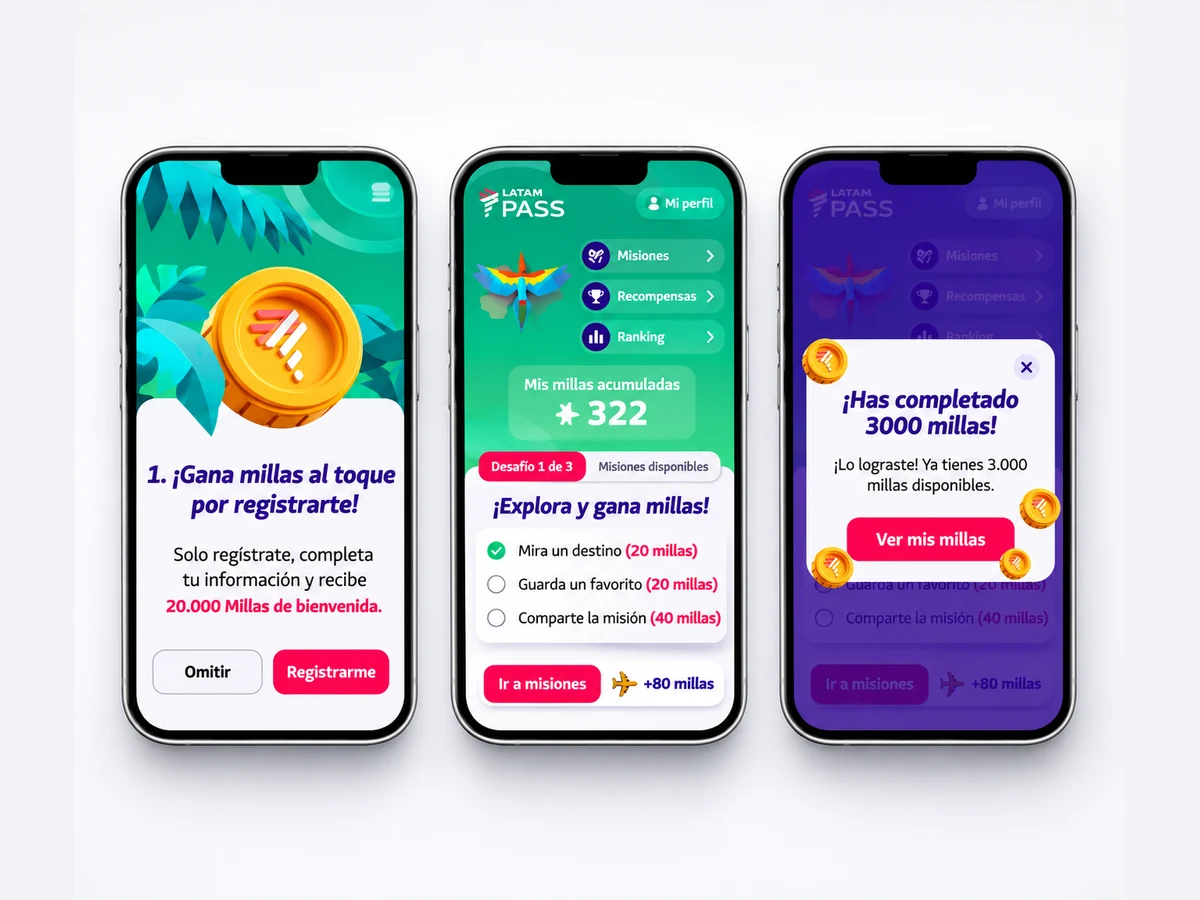
LATAM Airlines wanted to know whether a campaign designed around member motivation could beat its best traditional campaigns, and set a target of a 20% increase in conversion. LATAM Pass members were used to static mileage offers. Several of the actions LATAM needed from them had little to do with booking a flight, such as applying for the co-branded credit card and exploring ways to redeem miles.
We replaced the mileage banners with a treasure hunt through the Latin American jungle. Members explored a map to find hidden treasures, and the rewards behind them varied. Educational sections showed members what the program offers, and mission sections were built around the Desired Actions from our analysis, adapted to the motivational profile of each audience type.
The design leans on Core Drive 7: Unpredictability & Curiosity. When people know exactly which reward they will get, their excitement is only as large as the reward. When they don’t know what the next treasure holds, they pay attention and keep exploring. The miles were still the reward, and they were now delivered through an experience that was fun in itself.
The campaign drew 160,000+ unique visits. Mile accumulation rose 123%, credit card acquisitions rose 153% and redemption engagement rose 1,407%.

Hotel brands for value-driven travelers compete hard on price, and generic points rarely excite anyone. La Quinta needed members to book more often and to bring in other travelers, without overhauling the loyalty program itself.
In the Play & Stay app, members spent virtual tokens on a spin for loyalty points, collectibles and rare grand prizes such as free nights. Tokens recharged over time. Answering quick trivia about La Quinta perks or referring a friend unlocked boosters that doubled a member’s score.
The recharging tokens are Core Drive 6: Scarcity & Impatience. Members could not play as much as they wanted in one sitting, and people keep thinking about what they cannot have right now, so they came back when their tokens were full again. The outcome of each spin was unpredictable, which is Core Drive 7. The boosters connected the game to the Desired Actions, because a member who learned about the brand or invited a friend scored double. Loyalty points built up in the background the whole time.
We achieved a 712% sales uplift against the control group. Bookings per user rose 206%, incremental revenue per user rose by $157, and 34% of users returned daily.

Most car apps are functional. They lock doors and show the battery status, and nobody opens them without a practical need. Volkswagen Group wanted drivers to interact with the brand every day, also when they were not driving. The BONEO app we designed with Porsche was the answer.
Each member got a Carvatar, a digital twin of their own car. After drives, lootboxes dropped frequently but irregularly, with experience points, award points and items for the Carvatar. Items such as better headlights were more than decoration, because they let members see more of the map and collect more of its Secrets. Members formed teams based on their driving style (Safe, Efficient or Dynamic) and competed in a monthly Occupy! Challenge to claim territory.
People want to improve what they own, which is Core Drive 4: Ownership & Possession. Because upgrades gave strategic advantages, members could play in their own way, which is Core Drive 3: Empowerment of Creativity & Feedback. The teams gave drivers meaningful social interaction around an activity that is normally solitary.
Members used the app for an average of 5.4 minutes a day. Interaction with touchpoints such as mobility services, insurance and garage services rose 300%, and the pilot reached 90% daily active users.
What these three have in common. None of them increased the size of the reward. Each gave members different strategies, joyful surprises and social interaction, and each recognized Desired Actions other than buying. If most of your members are inactive, check which actions your program rewards besides spending, and what the journey offers a member who is not a heavy user.
A purchase people make once or twice a year and a product they use every week are different design problems. The first can carry a lot of urgency. The second burns people out if the same pressure meets them on every visit. Our article on gamification in marketing explains this distinction at length.

Travelers compare hotels across many tabs and postpone the decision, so only a small share of searches end in a reservation. We advised the Booking.com team on the design for their conversion metrics.
A traveler on a property page sees cues such as “Only 1 room left on our site!” and “12 people are looking at this property right now”, next to review scores built on thousands of stays. Members of the Genius program get their discount immediately.
The scarcity message is Core Drive 6: Scarcity & Impatience, and it gives waiting a cost. The live activity and the reviews are Core Drive 5: Social Influence & Relatedness, and they reduce the traveler’s doubt about a room she cannot inspect. This is heavy Black Hat and extrinsic design. It is the right choice here because nobody books a hotel every day and the booking flow does not need the traveler back tomorrow. The scarcity has to be real, because false scarcity destroys trust.
Booking Holdings reported gross bookings of $51.5 billion in 2015 and $68.7 billion in 2016, an increase of 33.4%, and gross profit up 80% from 2015 to 2019. These are the company’s reported figures for the period, and they cover the whole business.
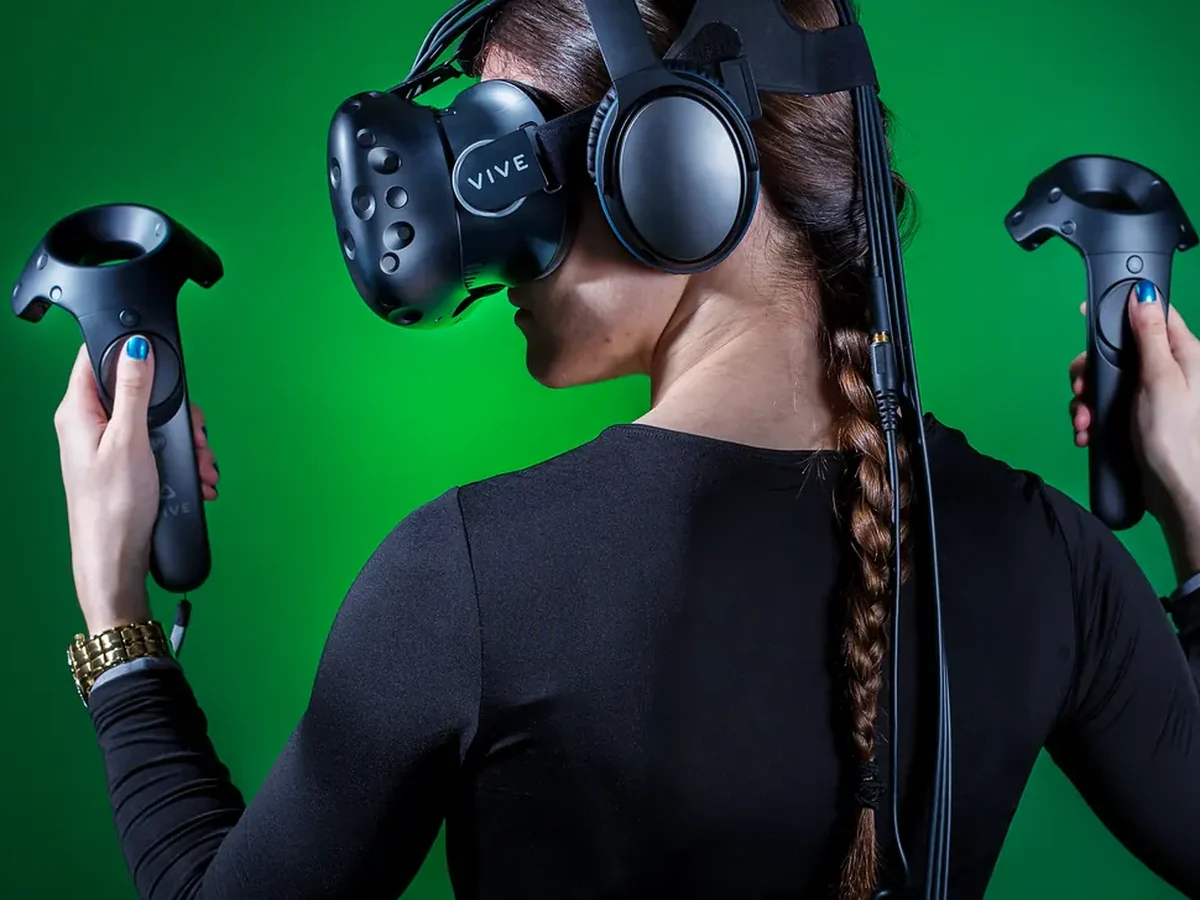
HTC VIVE sold premium VR headsets against a competitor with a far larger budget, after negative reviews of an earlier product. The customer journey had become fragmented across social media, website, shop and support. The corporate brand also did not speak to VR gamers, the people most likely to buy.
We overhauled the whole journey from social media to purchase and support. The front page banner was rebuilt around imagery of people inside VR, short messaging about what the product does for them and a clear path to purchase. For VIVE’s fans we designed an alternate reality game that mixed real-world and digital interactions, with puzzles the community worked through together.
HTC could not win on price, so the design worked on what stepping into VR means to the buyer, which is Core Drive 1: Epic Meaning & Calling. The alternate reality game ran on what gamers enjoy for its own sake: discovery, solving hard problems and each other’s company. That is intrinsic motivation, and it brought fans to the website without a discount.
Front-page conversion rose 4,310%, email collection rose 300%, traffic from social media to the website rose 384% and eCommerce revenue rose 188%.
At a festival such as SXSW, thousands of people walk past brand booths, and a free sample rarely leads to a purchase. Poo-Pourri wanted festival visitors to engage with the brand on site and to keep ordering after the event.
We designed two apps with the Poo-Pourri team: Funk Factory for SXSW and Regift Rumble for the brand’s own event. Visitors earned tokens by scanning a product, visiting branded spots, sending an RSVP, sharing with friends and finishing daily challenges. They spent tokens on exclusive items, such as limited-edition scents, or on prize draws. Flash challenges were open for a short window only.
The tokens became a personal currency. The more a visitor earned, the more the experience felt like theirs, which is Core Drive 4. Progress toward the next level gave a sense of accomplishment, and the flash challenges added urgency. That mix of White Hat and Black Hat motivation kept people playing without burning them out.
Visitors made 509,000+ interactions. Poo-Pourri sold 20,000 units in 25 days, orders rose 91% and lifetime value rose 17%.
What these three have in common. Each design started from the specific point where the visitor hesitates. For Booking.com that point was the traveler who has no cost of waiting. For HTC VIVE it was the buyer who does not yet believe in the product. For Poo-Pourri it was the passer-by with no relationship to the brand. If your visitors look and leave, find the Desired Action they stop at. Then decide how much urgency your purchase frequency can carry.
Most employees work for their paycheck and to keep their job, and a bonus plan adds more of the same extrinsic motivation. A ranking makes it worse for most people, because it motivates the few who can reach the top and nobody else. Both projects below replaced rivalry with a goal the group shares. This is the starting point of our employee engagement work.

Caixa Econômica Federal had to align 85,000 employees across 4,500 branches behind one net income goal. Participation in its incentives stood at about 10%, and earlier attempts with generic gamification platforms had fallen short.
The program was called Tamo Junto 9Bi+, “Together We Reach 9 Billion+”. An employee who hit an individual target received a small instant reward or a collectible piece of a larger prize. Colleagues traded pieces with each other to complete sets, and group milestones unlocked new rewards for everyone.
A piece you hold is yours, and people want to complete what they own, which is Core Drive 4. Trading turned a solitary sales job into a social one, which is Core Drive 5. The shared national goal gave every teller’s work a place in something bigger. The urgency of collecting and the unpredictability of the rewards sat on top of that White Hat foundation, so employees stayed engaged without burning out.
Participation rose from about 10% to 92.61%. Net income grew 48%, from R$8.6 billion to R$12.7 billion, and Caixa went from the #2 to the #1 bank in Brazil. The program was rolled out in 3 months.
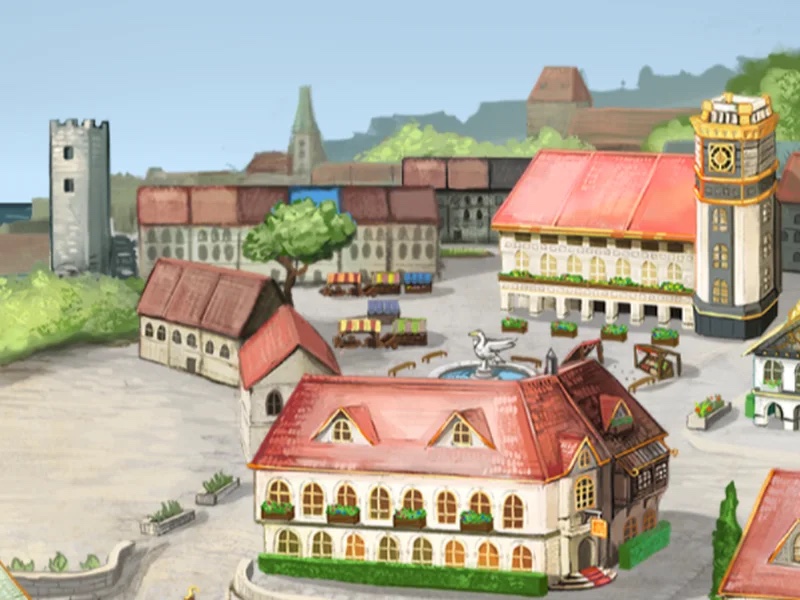
At Navo Orbico, cash bonuses no longer produced extra effort. Routine tasks such as CRM entries were neglected, and field reps felt cut off from each other. Our sales design for this Procter & Gamble distributor was built on top of the existing CRM.
Sales reps became captains of trading ships, trading on behalf of a city-state they shared with their colleagues. They upgraded their ships and chose their own strategy for growth. Hitting KPIs earned health points, which protected the whole city against mishaps such as an epidemic or a pirate attack and upgraded it over time with better towers, bridges and marketplaces. A rep who had a weak period could recoup losses by helping colleagues with their sales process, taking part in training or giving training.
One person’s performance now mattered to everyone in the city, and each rep had real choices about how to play. We used the threat of a loss and always gave people a straightforward way back, so nobody was simply punished.
Revenue rose 28.6%. In a voluntary rollout, 99.5% of eligible employees joined, and social interaction between colleagues rose 300%.
What these two have in common. Both tie individual results to a goal the group shares, so people who would never lead a ranking still make a contribution that counts. If your sales force ignores the incentive plan, look at what it offers the majority who will not win it.
Banking gamification is about the user journey of customers, and sometimes of employees. It rarely looks like a game. For a serious product and a broad customer base, the motivational design sits inside the journey and the app still looks like a banking app. Our page on gamification in banking and insurance covers both sides.
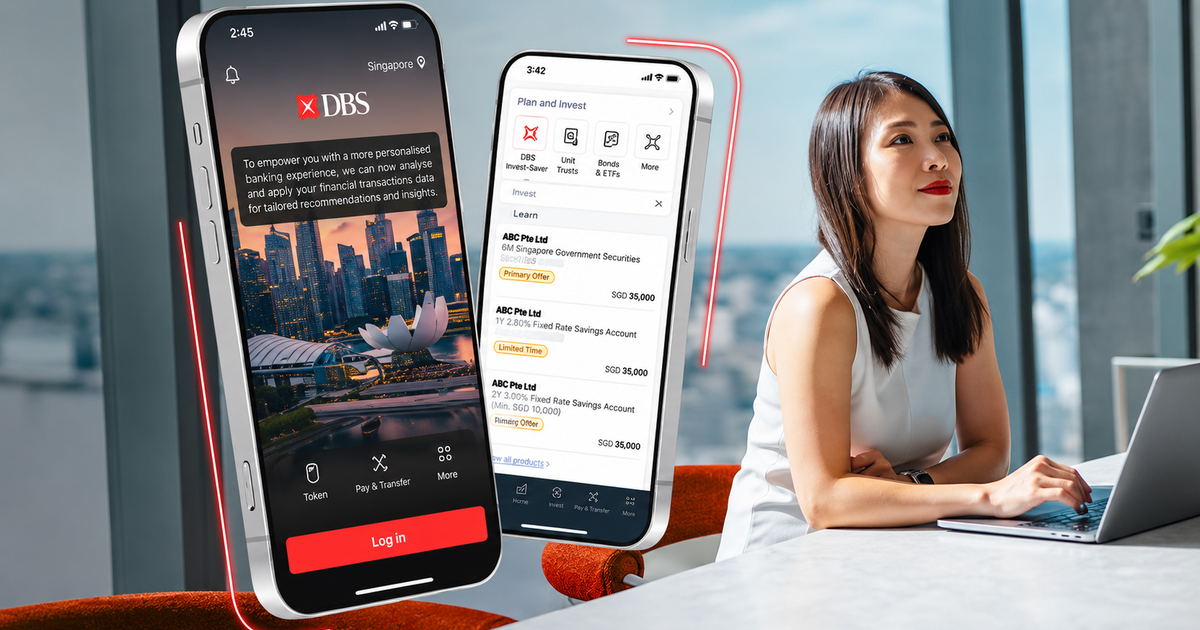
DBS Bank, the largest bank in Singapore, was under pressure from mobile FinTech banks that had none of a traditional bank’s overhead and offered lower prices. DBS could not win that contest on price. It needed a customer journey more engaging than those of the new entrants.
We worked on six projects with DBS, ranging from credit card program design and loan applications to SME programs. Customers followed their own path through choices that fit their preferences, such as personal financial goals and decisions that adapted to their spending habits and savings targets. Daily use of the app held joyful surprises, such as random reward drops and exclusive offers unlocked through usage. Customers could also take on personal challenges and track progress against their own benchmarks or against friends.
Different strategies for different customers are Core Drive 3, and the surprises are Core Drive 7. Both are intrinsic motivation, which a cheaper rival cannot match by lowering its fees.
After one year, with 30% of the design implemented, credit card spend rose 30%, loan approvals rose 20%, savings account openings rose 15% and PayLah transactions rose 24%.
What a bank should take from this. Competing on price alone is the mercenary problem again, because customers go to the cheapest offer. DBS shows the customer side of the answer. Caixa, in the sales section above, shows the employee side.
People who enroll in a course or begin a treatment want the outcome. What we say we want to do and what we actually do are still different things, and which one wins depends on how we feel in the moment and on the design we meet. White Hat motivation such as wanting to learn or to be healthy inspires people, and it creates no urgency. A linear design with progress bars quickly feels like work.
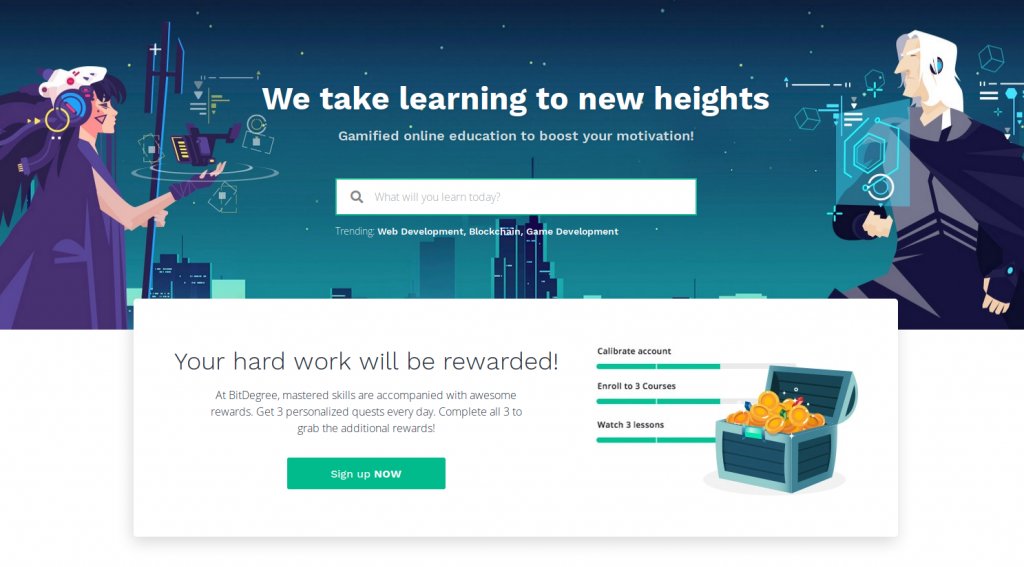
BitDegree is an online course platform that rewards learners with cryptocurrency for completing courses. Like most platforms of its kind, it saw many people enroll and few finish. The business objective was course completions.
We did not make the design linear. Learning became a path through a virtual world in which the course content lived on a map. New users started with a gamified onboarding path and met exercises and assessments along the way, and they earned cryptocurrency and certificates as they completed them.
A list of lessons shows a learner how much work is left. A map makes the next piece of content a place to explore, which adds Core Drive 7 to the progress and rewards that were already there.
We measured the result against a control group that skipped the gamified path and went straight to the course list. Course completions rose 350%, returning users rose 400% and time on the platform rose 300%.
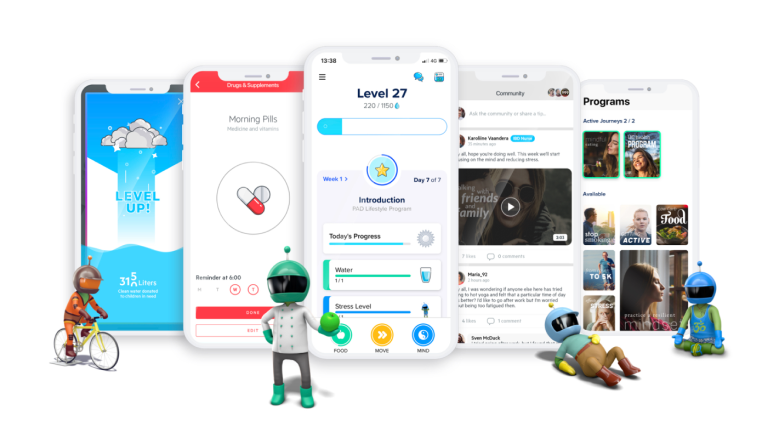
Patients with chronic conditions such as ulcerative colitis and Crohn’s disease often stop their treatment. They have rarely forgotten it, so another reminder does not change the decision. An app built on nagging gets deleted first by the patients who need it most. With Pfizer we worked on Sidekick, a companion app designed for habit formation.
Patients track sleep, nutrition and mood alongside their treatment, so they see how staying on therapy affects how they feel. They set their own goals, learn about their condition in short modules, and connect with mentors and peers. Unexpected health tips and success stories from the community keep the experience from becoming routine.
Setting your own goals gives agency, which is Core Drive 3. Contact with people in the same situation removes the isolation that leads many patients to give up, which is Core Drive 5. Together they connect the treatment to the patient’s own goals, where a reminder only connects it to the illness.
Patient dropouts fell by 30%. Users achieved their health goals 3x as often, and 68% were still daily active after six months.
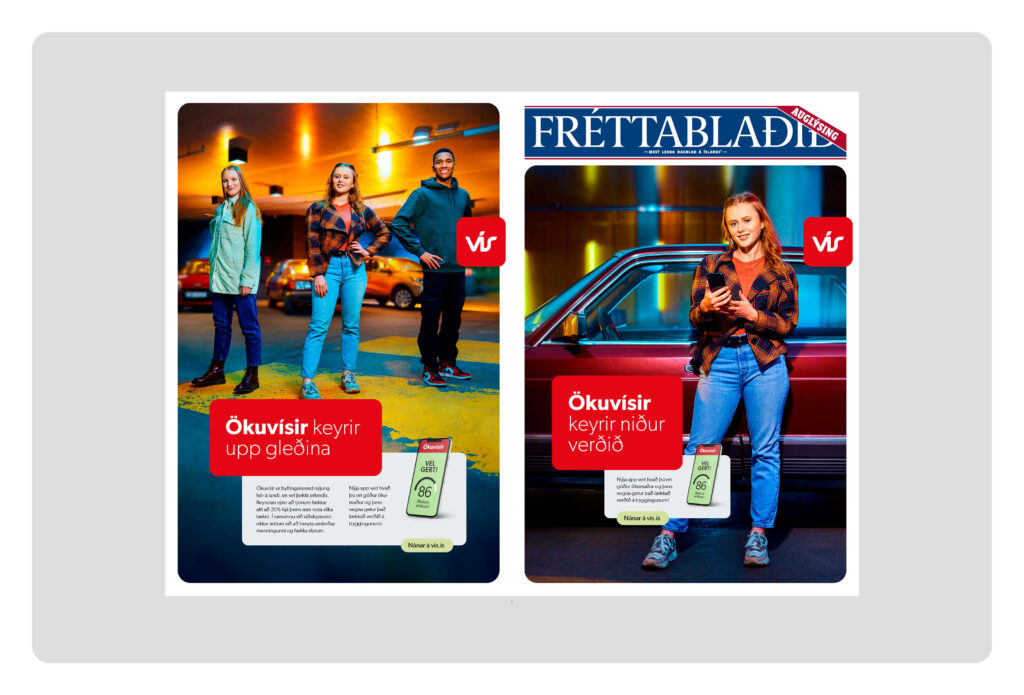
Unsafe and distracted driving causes accidents and insurance claims, and insurance is a product most people never think about. For VÍS Insurance in Iceland, we helped design the Ökuvísir app.
The app scores each driver on five risk factors: speeding, acceleration, braking, swerving and phone use. The better the driving, the higher the score, and drivers with high scores get a discount on their premium.
Driving normally gives no feedback on how safely you drive until something goes wrong. A score that responds to each trip gives drivers visible progress, which is Core Drive 2: Development & Accomplishment. The discount is the extrinsic reward that justifies the effort.
Over 60% of drivers improved their driving score within 3 months.
What these three have in common. In each case the person already wanted the result, and the existing experience was linear and solitary. We added discovery, agency, feedback and other people around the Desired Action. If your users start and do not finish, look at what the journey feels like in the weeks after the first win.
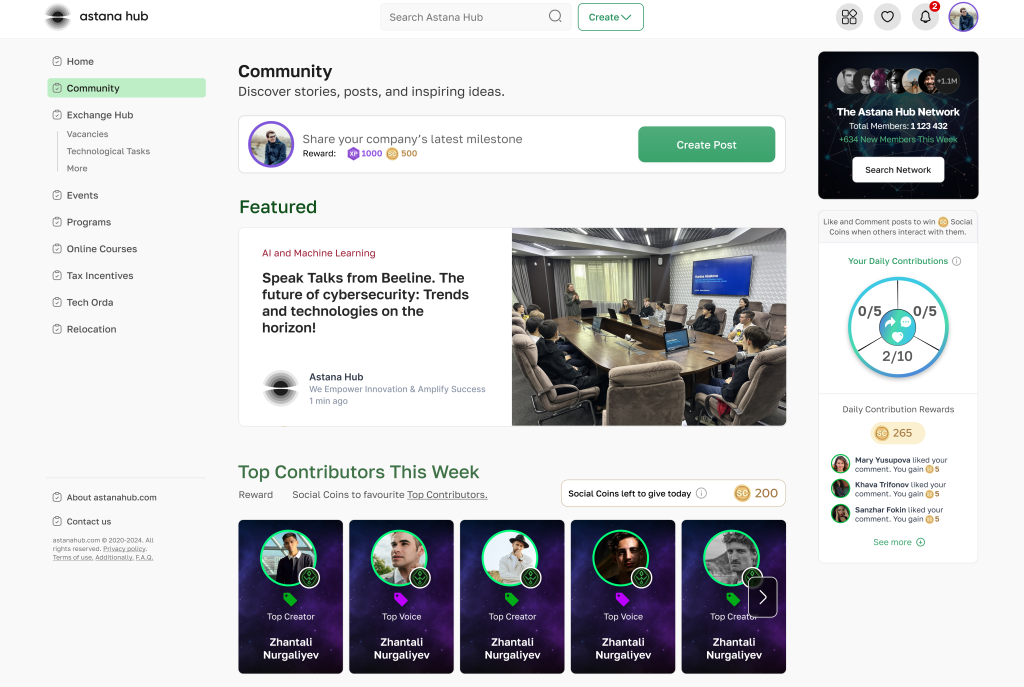
Astana Hub is the technology park for IT startups in Kazakhstan. Its platform already had Social Coins, XP, badges and a leaderboard, and none of them moved engagement. The target Astana Hub set for us was a 30% increase.
Our audit found problems in every phase. New users landed on a cluttered homepage with no guided first experience and no early wins. Rewards were given for mere completion. A member of two years was treated the same as someone who joined that day, with no path to become a mentor or a content creator.
We redesigned the journey across all four Experience Phases. Onboarding flows were tailored to different player types. XP tracked progress, and Social Coins became a community currency tied to meaningful actions. Startups that were more active in giving back to the community received higher visibility, which leads to more opportunities for investment.
Visibility is a reward the startups care about, and they now earned it by contributing to other members. That gave veterans a role and gave the community a way to grow from within.
We reached a 504% increase in active users.
What a platform owner should take from this. Astana Hub had the points, badges and leaderboard before we arrived. The members became active once the rewards were tied to Desired Actions that mattered to them and the journey changed with their seniority.
Five well-known products, starting with the most recent. For each one we describe what a person does in it, why it holds them, and where the design falls short.

A Duolingo user completes a short lesson, extends a streak and moves one step along a visual path, inside a weekly league with other learners. The streak starts as Core Drive 2: Development & Accomplishment. Duolingo’s messages then tie it to the user’s identity, and friend streaks make it social. Duolingo reports that users who reach a seven-day streak are 3.6x more likely to complete a course. Streak freezes, earned through regular play, soften the fear of losing it.
The streak works because learning a language is something people already want to do, so extrinsic and Black Hat design can keep them on track. In our analysis of Duolingo we also describe the cost. As a streak grows it turns into Loss & Avoidance. A user with a very long streak who loses it in one day often leaves for good, and a high streak motivates people to do the shortest, easiest lesson. The energy system caps how much free users can practice regardless of their skill, while paid users bypass it. That works against the learning Duolingo promises, and against users’ trust. A 2026 crossover with a mobile game showed a related limit. A partner’s reward motivates only the part of the audience that already values it, and to everyone else it reads as an ad.
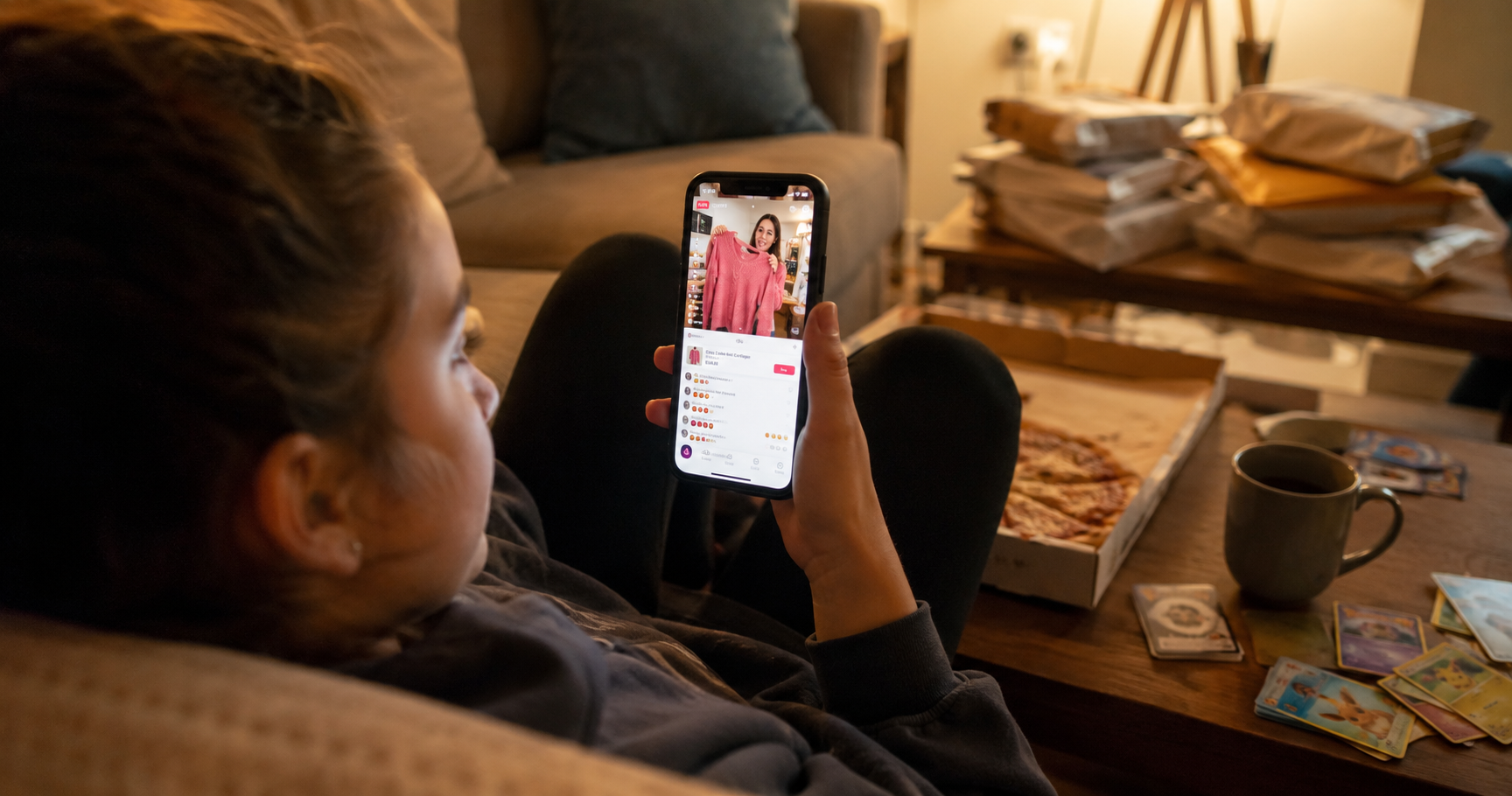
On Whatnot, a shopper watches a live show in which a host opens card packs or presents collectibles, follows the chat and swipes to bid in auctions that often last 15 seconds or less. By the company’s own reporting, users spend roughly 95 minutes a day on the platform and month-over-month retention is above 80%.
In our breakdown of Whatnot we explain this with the choice of category. Collectors arrive with collections they are already invested in, so Core Drive 4: Ownership & Possession is present before the first stream. The short auctions add scarcity, the pack openings add unpredictability, and the chat adds belonging. Live shopping platforms that put video on top of a general catalog had no such motivation to build on. The cost is in the Loss & Avoidance. Swipe-to-bid has no confirmation step, accidental purchases happen, and buyers decide in a high-pressure moment in front of their peers. A platform that copies this needs transparent safeguards before it scales.
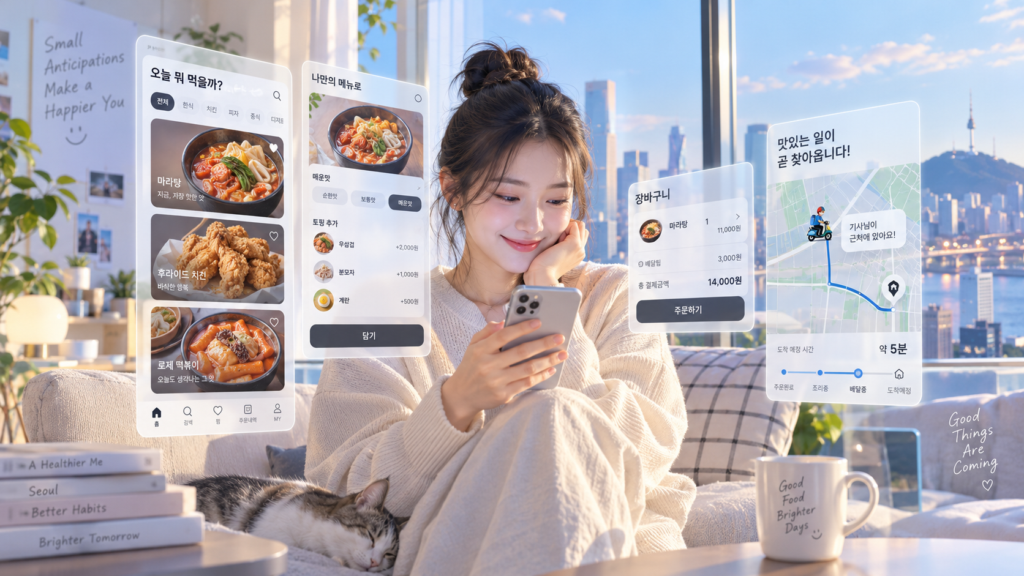
In FoodNeverComes, a user browses menus, fills a cart, enters an address and watches a courier cross the map. No food arrives and nothing is paid, and the name says so. These apps offer the ordering ritual with everything else removed.
Our article on the Korean dopamine apps reads them as Core Drive 7: Unpredictability & Curiosity in near isolation. The pull is strongest in the anticipation before an outcome, and these apps offer only that moment. Because the name is honest, there is no broken promise and no disappointment. The limit is that one drive carries the whole experience. Nothing progresses, nothing is kept and no skill grows, so once the ritual is fully learned the pull fades. Curiosity gets people in the door. Progression, ownership, creativity and social connection are what keep them.

A TikTok user swipes, and the next video plays before they have decided to continue. The feed learns from how long they linger and adjusts what comes next. In our analysis of TikTok, this is Core Drive 7 calibrated to each individual, and the infinite scroll removes the moment at which a viewer would decide to stop. Short-lived trends add Loss & Avoidance, and duets and challenges add Social Influence & Relatedness. It is very effective, and it is almost entirely Black Hat. People keep scrolling without feeling in control.

Pokémon Go players walked through their neighborhood to catch Pokémon, complete their collection and level up. That extrinsic design of experience points, collection sets and scarcity brought a huge number of people on board. In our article on why Pokémon Go could not hold them, the cause is a missing Endgame. Players found the same Pokémon in the same places, a small group of top players monopolized the gyms, and combat left no room for strategy. A walk that used to be enjoyable in itself became a chore done for a reward.
A team can learn from the reasoning behind these designs. Duolingo softens the loss of a streak with a way to recover. Whatnot built on a motivation its users already had. The dopamine apps show how much of the pull sits in anticipation, and Pokémon Go shows what happens when veterans have nothing left to strategize about.
The mechanics do not transfer. A streak placed on an activity people do not enjoy, such as accounting or filing taxes, doubles down on what is already linear and extrinsic about it. None of these products was designed for your business metrics, your Desired Actions or your player types. Our article on what gamification is and what it is not explains why the design has to start there.
Each of the 13 projects started with the client’s business metrics, in order of importance. From there we defined the Desired Actions behind those metrics and analyzed how the client’s own users are motivated. Only then did we design features. In many projects this first step changed the plan, because the client discovered that the metrics or actions it had prioritized were not the right ones.
The extrinsic rewards stayed in every case: miles, loyalty points, discounts, prizes, cryptocurrency. They worked as the justification for an experience that was engaging in itself, with different strategies for different people, meaningful social collaboration and joyful surprises along the way. The designs also changed with the seniority of the user, from a first win in Onboarding to a role for veterans in the Endgame.
They also look very different from each other. A treasure map suited an airline’s members, a city-state suited a sales team, and a bank’s customers got an app that still looks like a banking app. The design follows from the users and the Desired Actions. All of our case studies are built the same way.
If you recognize your own product in one of these problems, contact us and tell us which action you need people to take.
Our team will listen to your engagement challenges and decide if we are the best match.
Get in touchCase studies
Hospitality
The Octalysis Group created a new industry standard for hospitality and travel booking platforms.
33.4%Increase in gross bookings
Loyalty
Gamified loyalty experience with personalized missions and rewards, leading to record-breaking engagement and conversions.
+153%Increase in credit card acquisitions
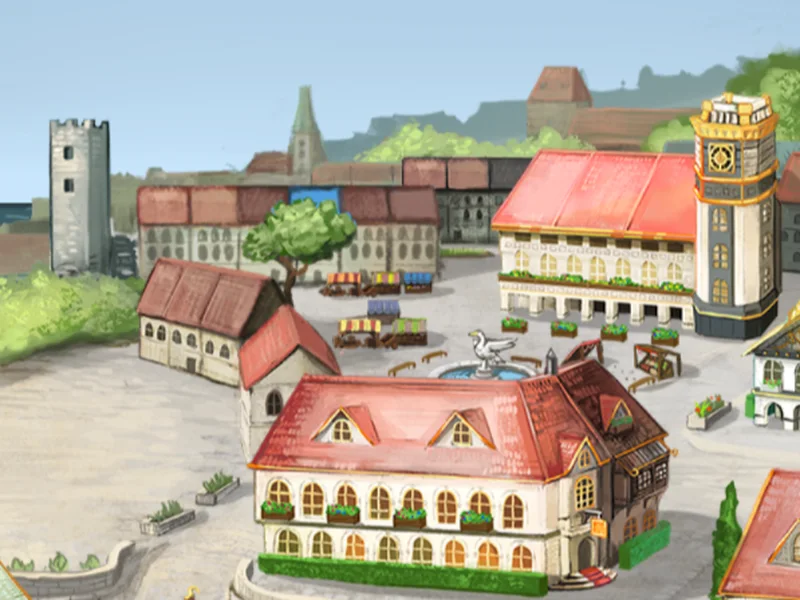

Fast-moving Consumer Goods
Gamified sales platform transforming reps into virtual traders, boosting engagement and performance across 19 countries. Best Gamification Award.
+28.6%Increase in sales revenue
Thank you. Your message has been sent and we will reply soon.