User Retention After Onboarding: Intrinsic Motivation and Endgame Design
 Joris Beerda14 August 2026

Updated 10 November 2026
Many products are designed with great care up to the first reward. A promise brings people in, a guided sequence takes them to an early success, and an incentive marks the moment. If the design stops there, the people who know the product best are left with the least worth doing. They have learned the mechanics and collected what there was to collect, and the experience offers them the same loop it offered on their first day.
When familiar users have little worth doing, examine how the experience changes with them. What moves a newcomer and what moves an experienced user are often different things.
Start with the desired actions
Before asking how to bring people back, ask what they should be doing when they are there. Our design work begins with the business metrics the experience has to improve and the desired actions that move them: a cooked meal, a completed lesson, a recorded client visit. Retention matters to the extent that people keep taking those actions and enjoy the experience around them.
This changes what counts as a problem. A user who finishes a course and leaves has succeeded. A tool people need four times a year should be excellent four times a year, and pushing it toward daily use adds noise for the user and little for the business. A falling return rate is therefore a question. It tells you where people stopped. It cannot tell you why, or whether they left satisfied.
Four phases, read as states
The Octalysis Framework describes the user journey in four experience phases. In Actionable Gamification, Yu-kai Chou defines them as follows:
- Discovery: why people would want to try the experience.
- Onboarding: where users learn the rules and tools.
- Scaffolding: the regular journey of repeated actions towards a goal.
- Endgame: how you retain your veterans.
He separates them because the reason someone uses a product on Day 1 is often very different from the reason on Day 100. If no Core Drive is present in a phase, nothing carries the user into the next one.
The phases describe a user’s state, and the calendar is a poor guide to them. One person reaches Scaffolding in an afternoon, another needs a month, and a third returns to Onboarding whenever a major feature ships. The phases also don’t prescribe an order of motivations, with rewards first and deeper engagement later. Meaningful choice, other people and curiosity can all be present from the first session. The useful discipline is to ask, for each state, what the user feels and what they can do next.
Onboarding has a specific job: make the first steps clear and bring the user to a first meaningful success quickly. Ask early only for what the product needs, which will sometimes include identity verification or safety information, and explain why you need it. Clear guidance still leaves room for choices, as long as each one is easy to understand.
What rewards can and cannot carry
Rewards are legitimate tools. They can mark progress, encourage a first attempt at something unfamiliar, and compensate real effort. Whether an incentive weakens interest in the activity, known as the overjustification effect, depends on context: what it is given for, how it is framed, and whether the activity had any appeal to begin with.
The practical limit is narrower. If the reward is the only thing a familiar user gets from a session, the experience has to keep paying. A user who has already earned most of what is on offer has less and less to be paid with.
The framework locates the alternative in the intrinsic Core Drives, where the activity itself is the attraction:
- Core Drive 3: Empowerment of Creativity & Feedback
- Core Drive 5: Social Influence & Relatedness
- Core Drive 7: Unpredictability & Curiosity
An illustration: a cooking app after the courses run out
Imagine a subscription app that teaches home cooking. The business depends on renewals, and the desired action behind them is a planned meal that gets cooked. Onboarding works: the new user cooks one dish well on their first evening. Six months later the same user has finished the technique courses. Nothing in the app is difficult any more, and nothing is new.
Meaningful decisions with feedback (Core Drive 3). Experienced cooks can build their own week from what is in the kitchen, swap ingredients and change methods. Each decision has a visible effect. The plan shows the change in cost per portion and active cooking time, and after the meal the cook records how it turned out, which shapes later suggestions. The choices matter because the results differ. The tradeoff is complexity: open-ended tools overwhelm people who only want dinner, so this mode has to be something a user grows into. The feedback also has to be real, since a choice with no consequence gives the cook nothing to think about.
Voluntary contribution (Core Drive 5). A cook who has reworked a recipe to cost less per portion can publish the adaptation. Others cook it and report back, and the author sees how many households made their version. The contribution is chosen and the gratitude is specific. The risk lies in designs that make others depend on one user’s presence, or that display who has gone quiet. Obligation can keep people active, but it can also turn a chosen contribution into a chore the cook comes to resent. Many skilled cooks will never publish anything, and the app should serve them fully.
Discovery that serves the activity (Core Drive 7). When asparagus comes into season, a technique the cook has never tried appears in their plan unannounced. The surprise leads to a meal, which is the point of it. Surprises scheduled at random to prompt app opens train checking instead of cooking. Surprise earns its place when it freshens the actual cooking, so each one should lead back to the plan, the kitchen or the cook’s own choices.
One experienced user may take all three paths, or one. Each of these cooks is a retained user taking the desired action:
- A cook who composes ambitious menus alone.
- A cook who becomes the reference for affordable adaptations.
- A cook who spends five minutes each Sunday planning an efficient week.
The third deserves attention. Skill often shows up as a wish for speed, and adding difficulty to keep experts challenged would punish the competence the product built.
Endgame: when the designed goals run out
A user enters the Endgame when they have mastered the mechanics or exhausted the goals and content. Tenure and top-tier status are poor proxies, and some users get there in weeks. The book notes that veterans may stay through Core Drive 8, because they don’t want to lose their status and achievements. That keeps people attached, though it gives them little to do.
Yu-kai’s explanation for why chess, poker, golf and mahjong have lasted for centuries points to Core Drive 3. When users can keep drawing on their creativity across an almost limitless number of possibilities, the designer no longer has to keep producing content: “The user’s mind becomes the evergreen content that continuously absorbs their attention into the experience.”
A chess player can stay because the next game can still go somewhere new. Mentoring, creating for others and deepening expertise are options a veteran may choose. None should be mandatory, and endlessly rising difficulty replaces none of them.
Test more than logins
Because retention data only raises the question, test the answers on more than return counts. Three things are worth measuring:
- Behavior quality: are the desired actions completed, and done well?
- Value: do users get what they came for?
- Chosen participation: do people use the composing mode again without a prompt, and do contributors come back to contributing?
A login count also rises under pressure, so it cannot settle the matter alone.
Where to begin
Our work on this problem has two parts. The diagnosis maps your desired actions against the four phases, identifies which kinds of user dominate among your experienced users, and asks which Core Drives are present when they take those actions and which are absent. The design then builds paths suited to those users and those actions, each tied to a business metric. This is how we practice gamification: the design starts from what motivates the people using the product. Which motivations matter depends on the product and the people in it, so the paths that fit a cooking app will not be the ones that fit yours.
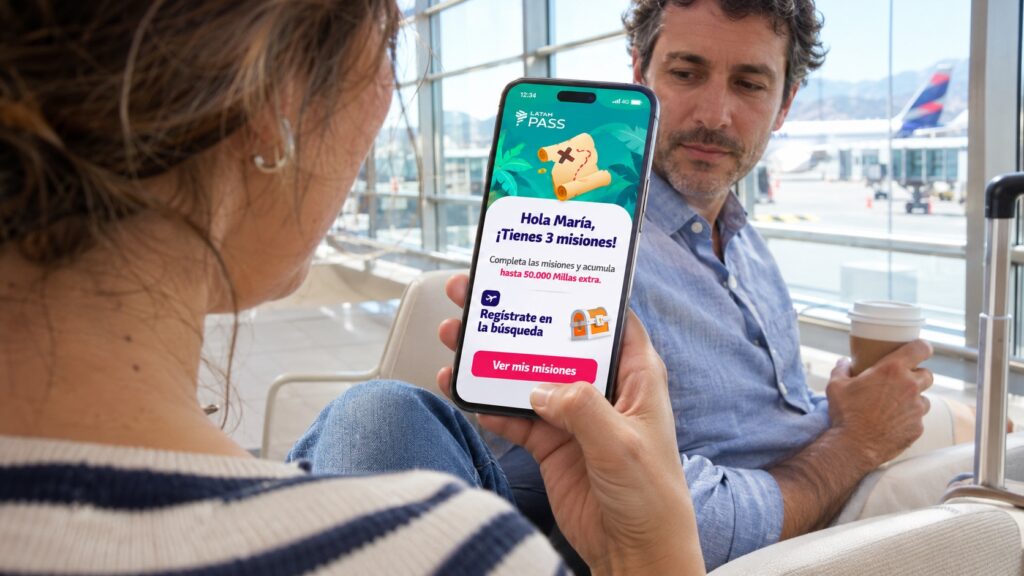
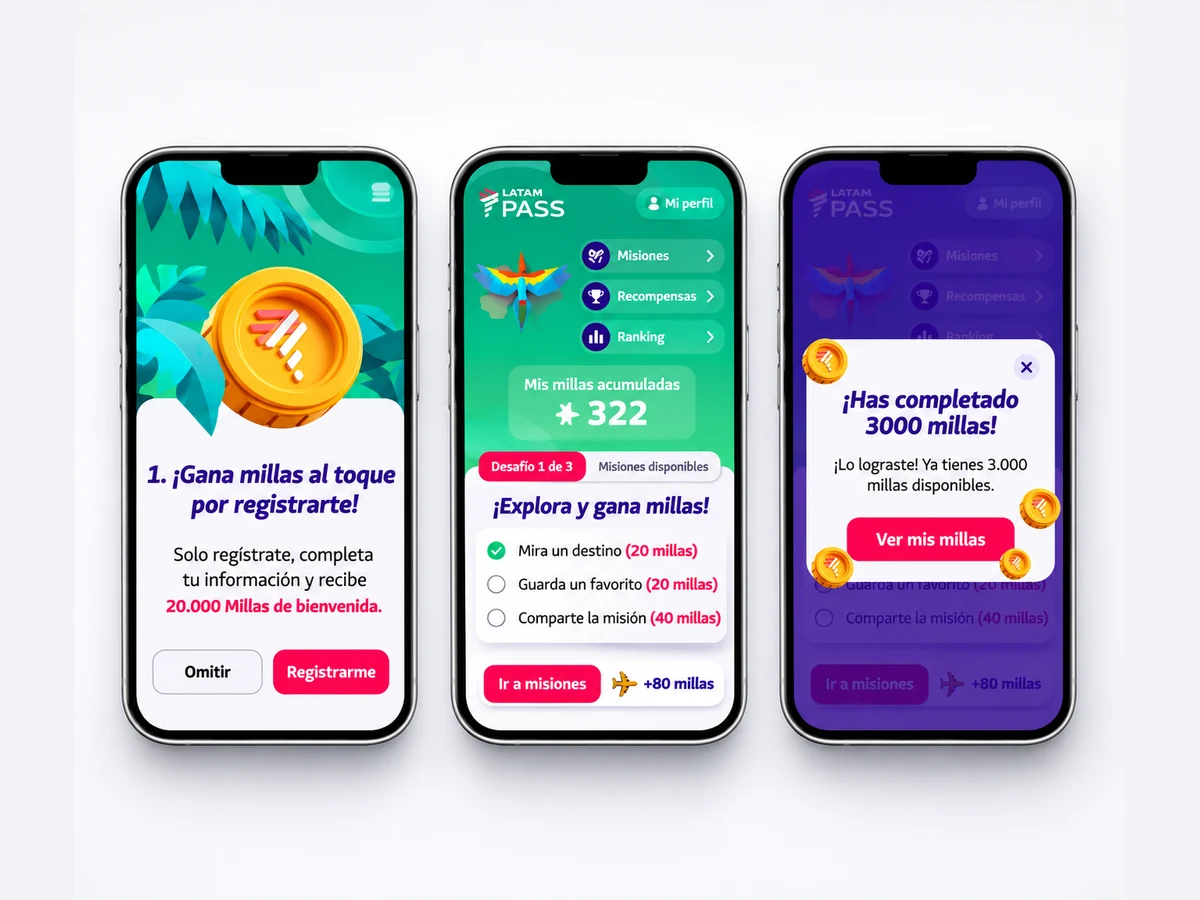
We have applied the method in different industries, including the LATAM Airlines loyalty program and the BitDegree learning platform. If your experienced users are the ones going quiet, contact us with the desired actions you need from them, and we will start the diagnosis there.