
- Home
- Case Studies
- Poo-Pourri
Case study · Events
Poo-Pourri Case Study: 91% More Orders with Gamified Festival Marketing
- Client
- Poo-Pourri
- Apps
- Funk Factory, Regift Rumble
- Industry
- Consumer goods, events
- Core Drives
- 2456

From free samples to repeat customers
Poo-Pourri makes products that keep things smelling fresh. The company shows up at big festivals like South by South West (SXSW) and runs its own events. Brands fight for a slice of crowd attention.
The Octalysis Group stepped in to help Poo-Pourri do more than hand out samples. The goal: turn casual festival-goers into people who choose Poo-Pourri again and again.
The design started from the point where the visitor hesitates: the passer-by with no relationship to the brand. Using the Octalysis Framework, we worked out which Desired Action that visitor stops at, and built the experience around moving them past it.
The Challenge
The Challenge
Imagine being at SXSW. Thousands of people move between stages and booths. Lines stretch long. Phones stay in pockets or point at the next act. A quick spray of product or a free sticker rarely sticks. The same happens at branded events. One purchase does not guarantee the next.
Poo-Pourri needed a way to make every touchpoint count, inside the festival and long after the lights go down. Success had to show in numbers: engagement, sales, repeat orders.
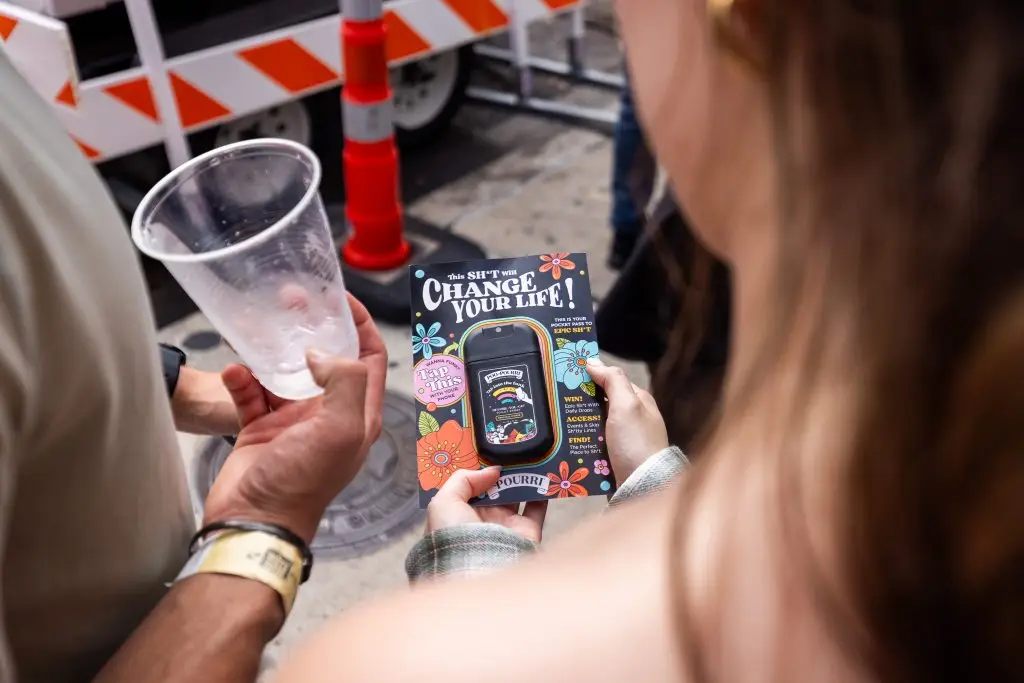
Gamification at the festival
Poo-Pourri is known for its successful adverts. It needed a way to supercharge festival visitor attention for their products.
The Solution
The Solution: Funk Factory
By weaving gamification into mobile apps and on-site mechanics, the team created high and sustained motivation with the help of Octalysis Core Drives. Users kept returning, driving token circulation and delivering clear post-event data that lifted sales.
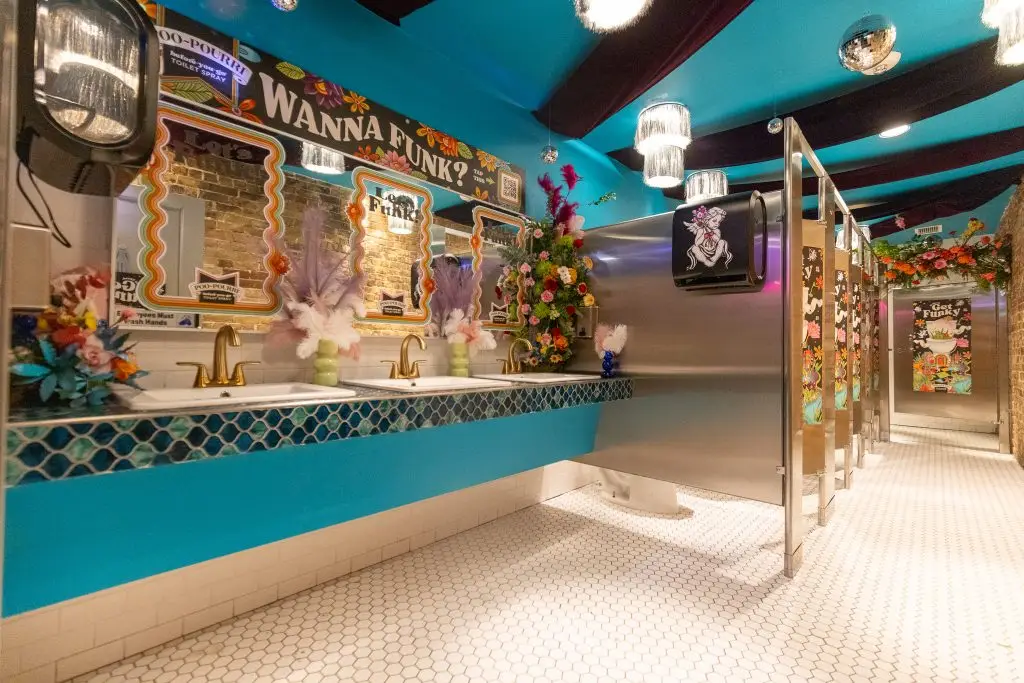
Close work between The Octalysis Group and Poo-Pourri produced two custom apps. Funk Factory ran at SXSW. The Regift Rumble tap app powered the branded event. Both mixed real-world actions with digital rewards. Waiting in line turned into earning points.
Buying a bottle became part of a larger quest. The brand moved from background noise to center stage in each user’s festival story.
Tokens formed the backbone. Visitors earned them by scanning a product, visiting branded spots, sending an RSVP, sharing with friends and finishing daily challenges. They spent them on exclusive items, such as limited-edition scents, or entered prize draws.
The system blended White Hat motivation (feeling accomplished and creative) with Black Hat urgency (limited-time offers, fear of missing out). The balance kept people playing without burnout.
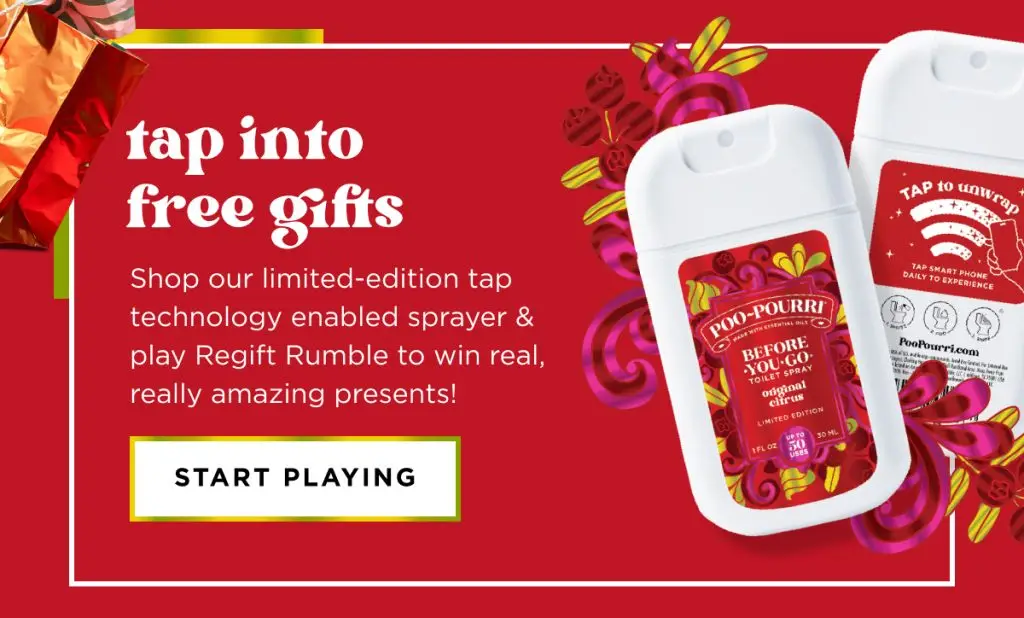
Gamification and Rewards
- Progress bars filled as users completed tasks. Visit three branded spots, level up. Interact with products, unlock a new badge and a booster. Each step delivered a small win and opened the next prize, such as limited-edition scents only available through the app.
- Tokens became personal currency. Users collected them from RSVPs, booth visits, and social shares. They spent them in-app or traded up for physical goods. The more they earned, the more the experience felt like theirs.
- Flash challenges appeared for 30 minutes only. Miss the window, miss the bonus tokens. The same urgency pushed quick RSVPs and on-site purchases.
- Social features let users share progress, pulling friends into the loop and feeding Core Drive 5.
Discounts and free merchandise rewarded actions, but the game itself supplied the real hook. Open the app once, and the next notification felt worth checking. The festival rhythm never broke; it just gained a new beat.
Results
The Impact
+91%
Increase in Sales Orders
95%
User Rating Excellent
+17%
Lifetime Value
- 509,000+ visitor interactions
- 20,000 units sold in 25 days
- 91% rise in orders
- 17% increase in lifetime value
- 83% purchase intent
Poo-Pourri proved that a well-designed experience turns festival chaos into measurable, lasting brand love.
Two other projects started from the same problem, visitors who look but do not buy: the HTC VIVE case study and the Booking.com case study. For more on gamification in brand marketing, read Gamification in Marketing, or see all our projects grouped by business problem in Gamification Examples.
Frequently Asked Questions
Q&A about gamified festival and event marketing
How did gamification increase Poo-Pourri’s sales at festivals?
Visitors earned tokens by scanning products, visiting booths and finishing daily challenges, and spent them on exclusive items and prize draws. Buying a bottle became part of the game: 20,000 units sold in 25 days and 91% more orders.
What were Funk Factory and Regift Rumble?
Two custom apps: Funk Factory ran at SXSW, and the Regift Rumble tap app powered Poo-Pourri’s own branded event. Both linked real-world actions to digital rewards.
How do you keep festival visitors engaged without burning them out?
By combining White Hat motivation (progress, accomplishment, creativity) with short bursts of Black Hat urgency, such as 30-minute flash challenges and limited-time offers.
Turn your event visitors into repeat customers
We design event and festival experiences that drive engagement, sales and repeat orders.