
- Home
- Digital Transformation Gamification: Designing Technology Adoption for Employees and Customers
Digital Transformation Gamification: Designing Technology Adoption for Employees and Customers
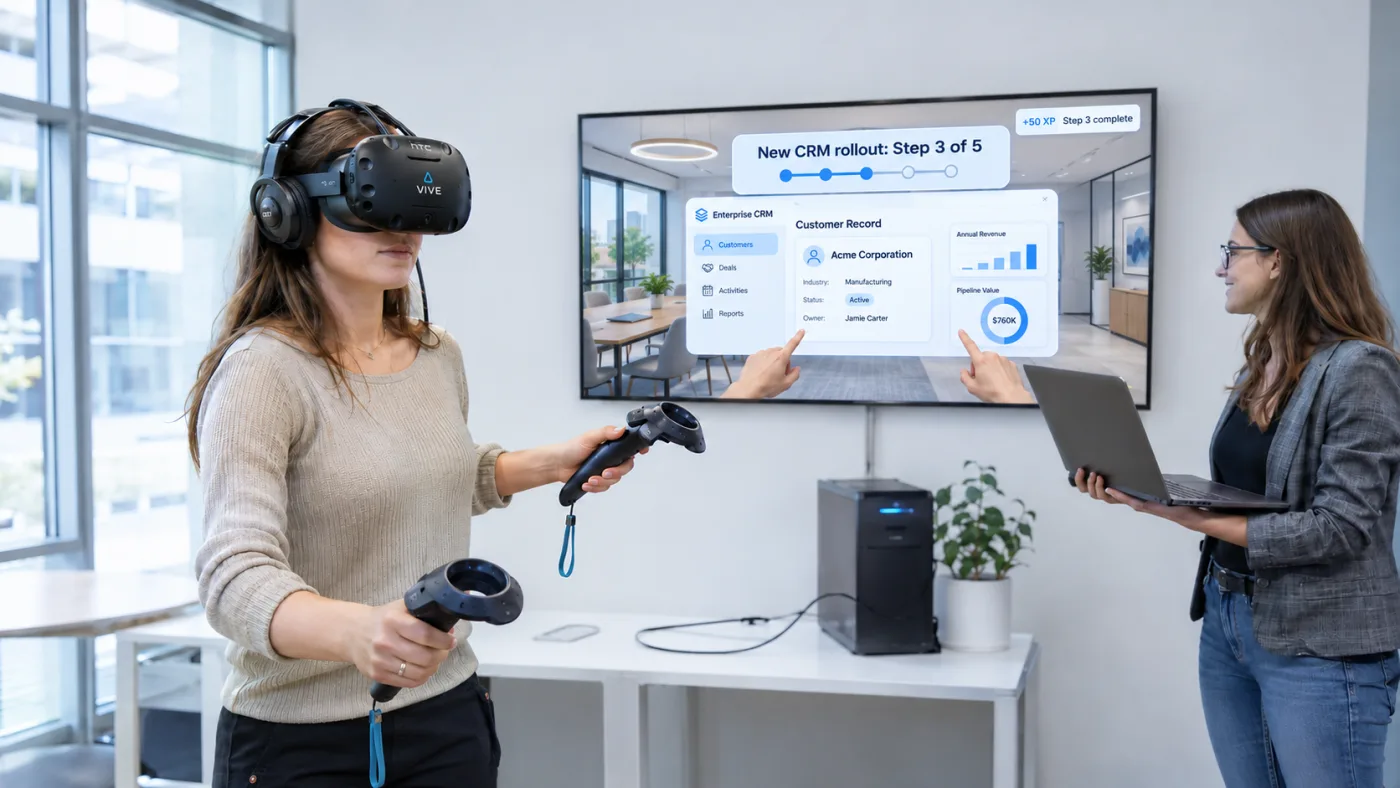
The Octalysis Group is the world’s leading consultancy in behavioral design and gamification. We help heads of digital, product and innovation get new technology adopted by the employees who have to work in it and the customers who are free to ignore it. We work with your team to agree which business metric the transformation has to move. Then we design the experience around the system, app or platform so that people want to take the actions behind that metric.
At Caixa Econômica Federal, a bank with about 83,000 employees in 4,500 branches, participation in sales initiatives rose from about 10% to 92% and net income grew 48%. For HTC VIVE, we redesigned the customer funnel from social media to support, and eCommerce revenue rose 188%. Both were designed with the Octalysis Framework, created by our co-founder Yu-kai Chou.
Why digital transformation stalls after launch
The technology usually works. The CRM is live, the app is in the store and the interface is clean. What is missing is the use the business case assumed. Employees sign in because they have to and do the minimum. Customers open the app once.
Functionality enables an action, but it does not make anyone want to take it. A sales representative may know exactly how to enter customer information and still experience it as administration. A product can be logical and intuitive without being engaging.
The usual responses are a mandate, more reminders or a layer of points and badges. Before we started at Caixa, spreadsheets, KPIs and mandate emails had stalled. A mandate produces sign-ins. Points can show progress and a reward can encourage a first action, but attaching a reward to the same task does not change what the task means to the person doing it.
We look at the motivation around each action: what it contributes to, what the person gets back from it and what makes them reluctant to take part. That gives us a basis for changing the experience itself. Our article on digital engagement in transformation explains why the user journey needs attention well beyond the technology launch.
What is gamification in digital transformation?
Gamification in digital transformation is the use of motivational design learned from games to make employees and customers want to use new technology in the way the business needs. It is not a game added to a system, and it is not a layer of points, badges and leaderboards on top of an unchanged process. Good gamification designs the motivation into the journey.
Games are always voluntary. The moment a game gets boring, people drop it, so games have had to optimize their design for human motivation. We apply what they have learned to technology that people are expected to use. We call this human-focused design.
It does not have to look like a game. Explicit gamification looks and feels like one, as the Alternate Reality Game we designed for HTC VIVE’s VR gamers did. Implicit gamification uses the same motivational design inside a professional interface, as LinkedIn’s progress bar does. For a serious subject such as banking or insurance, the experience we design may not look playful at all.
Digital transformation services for workplaces, customer journeys and digital products
The adoption problem can sit on either side of the business. Customers can choose another provider. Employees work within a culture, a hierarchy and existing relationships. We design for both.
Digital workplaces and new systems
When a transformation asks employees to work in a new system, we examine the working relationships around it before selecting any design. We then design what happens after the first sign-in: the choices people make, the feedback they receive and the contribution they can make with colleagues. At Caixa, employees earned and exchanged digital puzzle pieces while contributing to one shared goal, so progress depended on cooperation across branches. Our employee engagement service covers workforce programs in depth. Where people first have to learn an unfamiliar system, our learning and development work applies.
Customer journeys
For a customer, the desired action may be exploring a financial product or completing a purchase. Our DBS Bank work used strategic choices, personalized financial goals and discovery across six projects. After one year, with 30% of the design implemented, credit card spend rose 30% and loan approvals 20%. These are product outcomes, not counts of how many customers opened an app. The same thinking drives our loyalty program design.
Digital products
For a new product, we build motivation into the experience from the start. For an existing one, we revisit a polished interface that people use only superficially. A routine action such as recording information can become a way to learn something, discover something useful or connect with others. Sidekick, the product we worked on with Pfizer, is the reference case below, and our health and wellbeing service covers that field.
Adoption that lasts beyond the first login
Most designs do not change over time. Users get more of the same: more points, more badges, more levels. Motivation changes as people gain experience, so we design for the four Experience Phases of Octalysis.
Discovery is why someone would try the new technology at all. Onboarding can be linear and predictable, and it leads to a first achievement. The feeling we design for is: this is easy, I can do it, I came to the right place. In Scaffolding, the regular use, the design opens up with different strategies for different people, meaningful collaboration and joyful surprises. In the Endgame, your most experienced users get ways to contribute, help newer users and become ambassadors for the product, inside and outside the company.
How we work with your team
We begin with a review of your objectives. Are the business metrics the right ones, in the right order of priority? Which desired actions move them, and who has to take those actions? Almost all of our clients discover at this stage that they were designing for the wrong thing. They revise the expected outcome before anything is built, which is why they implement with more confidence and less risk. The agreed metrics and actions go into the Strategy Dashboard.
Then we look at who your users are. We define player types from your actual employees or customers and use the 8 Core Drives of the Octalysis Framework to understand what motivates each of them. They stay in one product, with journeys that suit each type.
You receive a detailed engagement strategy and experience design, worked through to feature detail and screen-level wireframes that your own team or technology partner implements. The design is grounded in behavioral science, as set out in the scientific foundations of Octalysis. We measure the result against the business metrics agreed at the start.
Who you work with
Our team has designed gamified and behavioral experiences for more than 175 companies, from Fortune 500 firms to startups. Digital transformation projects are delivered by our expert team of Octalysis specialists, who work from the United States, Latin America, Europe and Asia.
The Octalysis Group was co-founded by Joris Beerda, the world’s leading practitioner in Octalysis and an expert in enterprise gamification, and Yu-kai Chou, the creator of the Octalysis Framework. Both are involved in many of our client projects.
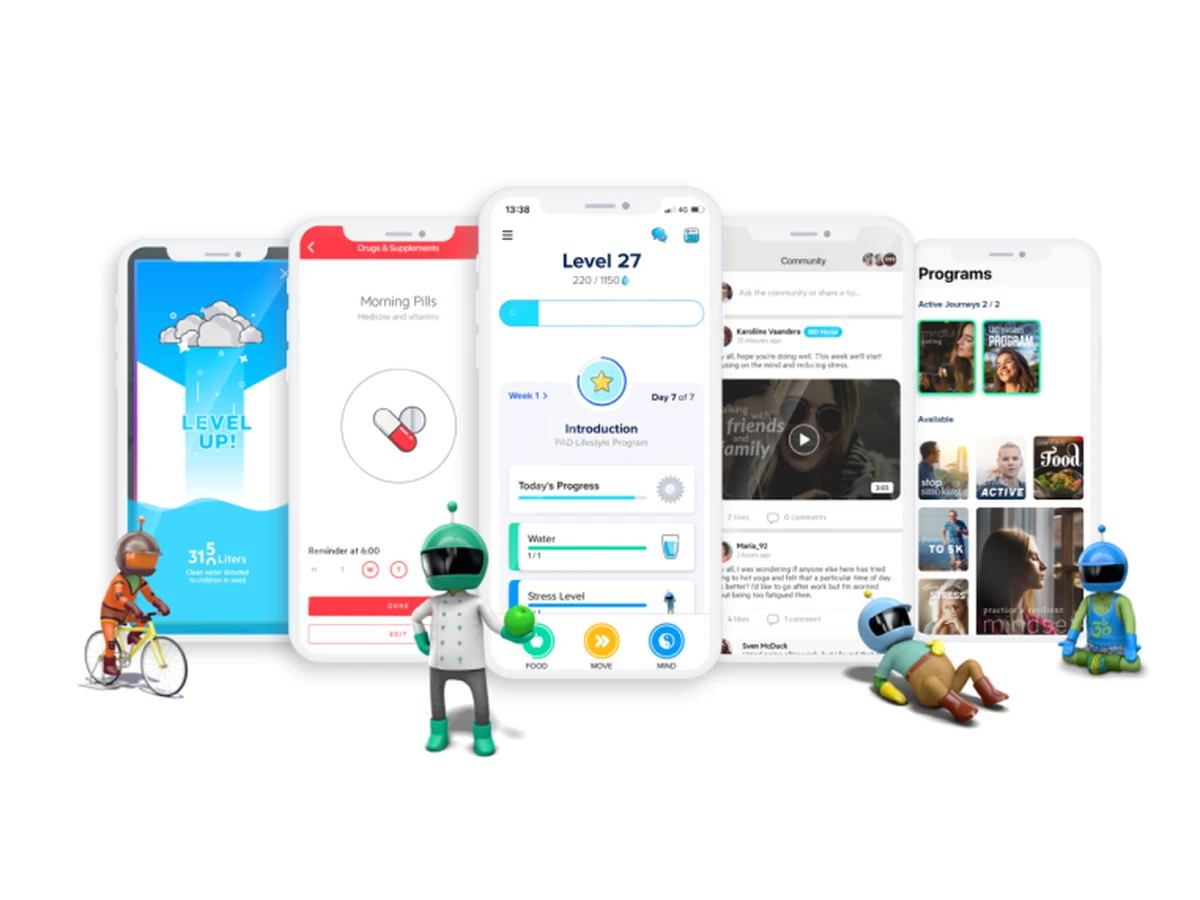
Pfizer Sidekick: 68% of users still active daily after six months
With Pfizer we worked on Sidekick, a digital product for medication adherence and habit formation. The experience combines personal goals, understandable health information and connections with peers and mentors, so that using the product offers more than recording a task.
- 30% fewer patient dropouts
- 68% of users still active daily after six months
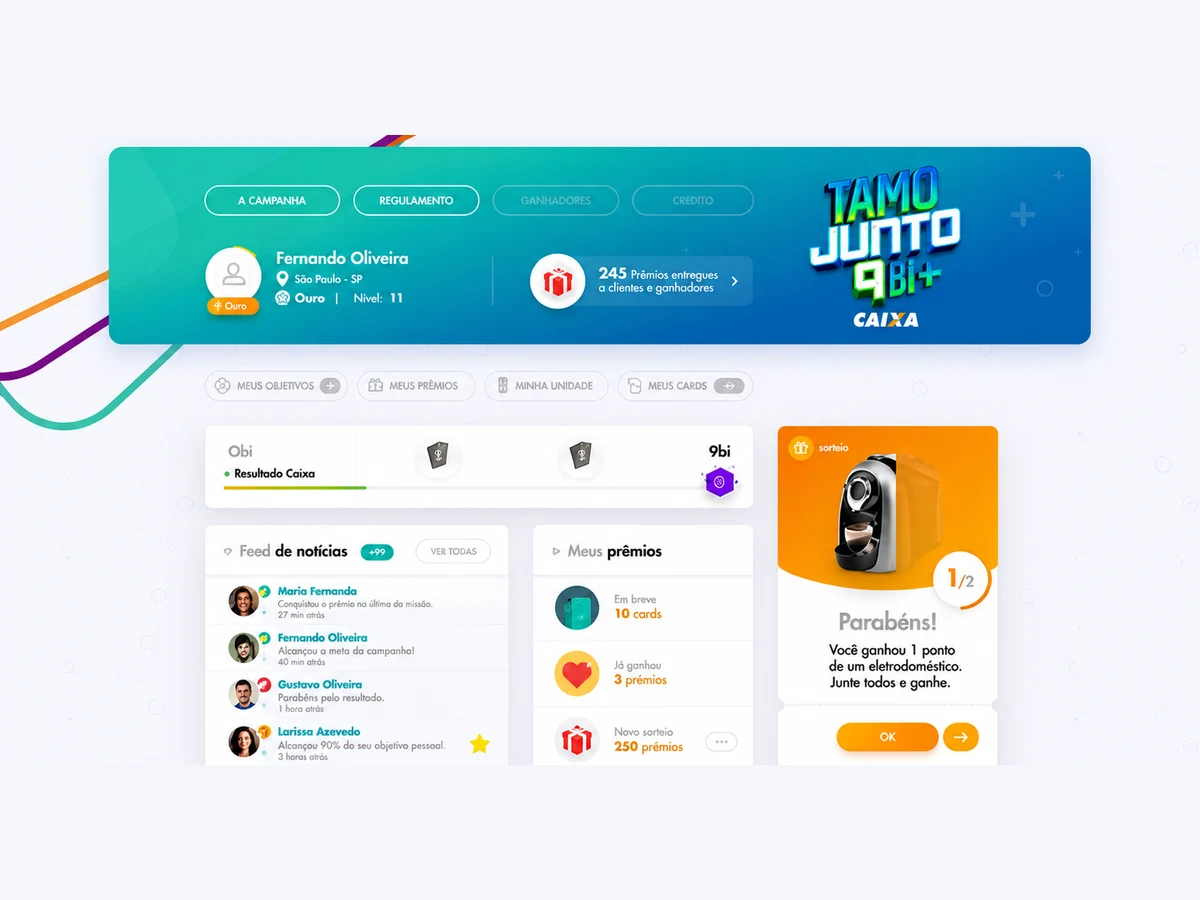
Caixa Econômica Federal: participation from 10% to 92% across 4,500 branches
Caixa Econômica Federal had to align about 83,000 employees across 4,500 branches behind one net income goal, after spreadsheets, KPIs and mandate emails had stalled. We replaced top-down directives with an experience designed around what motivates employees. They earned and exchanged digital puzzle pieces while contributing to the shared goal. Core Drive 4: Ownership & Possession made the pieces valuable to their owners, and Core Drive 5: Social Influence & Relatedness tied progress to exchanges with colleagues.
- +48% net income, from R$8.6 billion to R$12.7 billion, about US$1.06 billion added
- Participation up from about 10% to over 92%
- Caixa became the number one public bank in Brazil
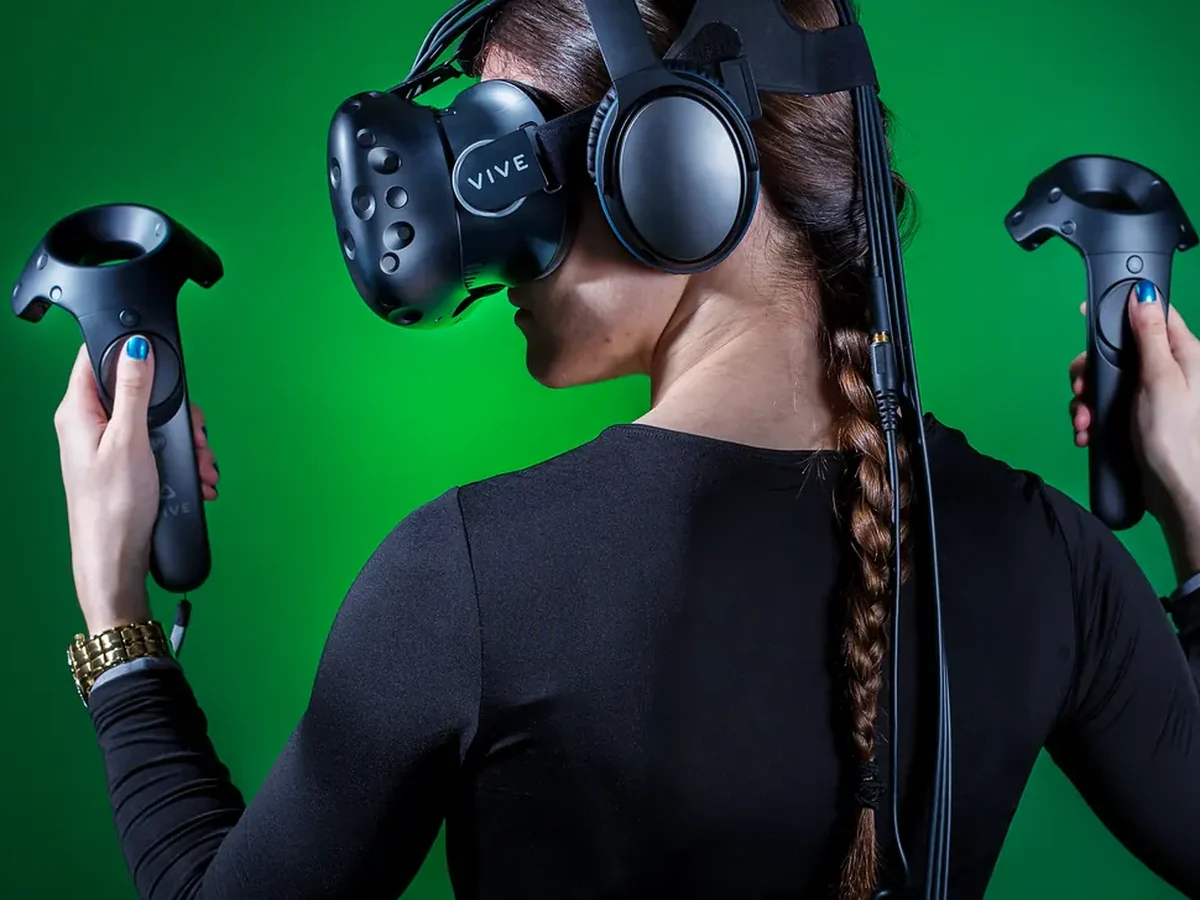
HTC VIVE: a redesigned customer funnel and +188% eCommerce revenue
We revitalized HTC VIVE’s whole customer funnel, from social media to website, eCommerce, purchase and support. The design included an Alternate Reality Game for VR gamers, an explicit experience that fitted the audience.
- Front page conversion +4,310%
- Email collection rate +300%
- Social media to web traffic +384%
- eCommerce revenue +188%
92%
Caixa employee participation, up from about 10%
+4,310%
HTC VIVE front page conversion
68%
Pfizer Sidekick users active daily after six months
If your technology is live and the intended use is missing, or you are planning a rollout and want adoption designed in from the start, contact us and tell us which metric you need to move and what your users do today. We will tell you whether we are the right match. More of our work is in our case studies, and the full range of what we do is on our services page.
Already have a project in mind? Let’s work together!
Our team will listen to your engagement challenges and decide if we are the best match.
Get in touchFrequently Asked Questions
How does gamification support digital transformation?
It brings human motivation into the design of the digital experience. We design participation around the people using the technology, including the choices, feedback, collaboration and discovery that make the intended actions engaging.
Can you work on employee and customer adoption?
Yes. The work covers digital workplaces, customer journeys and digital products. Employee design also needs an understanding of the culture, hierarchy and working relationships within the organization.
Do we need a visibly gamified interface?
No. Game design principles can be integrated into a professional interface through implicit gamification. A more explicit experience can also fit some audiences and objectives. The choice follows the users and the product.